

If you’re planning India in 2026, timing is half the trip. The same country that gives you snowy Himalayan walks in January also offers steamy Delhi afternoons in May, misty tea hills in July, and sun-drenched Goan beaches in December. Get the timing right, and you’ll spend more time exploring and less time hiding from heat, rain, or crowds.
This best time to visit India weather guide is designed for travellers comparing tour packages, especially those trying to answer questions like:
- Which month makes sense for my style of travel and budget?
- When is the weather comfortable in different regions?
- How do big festivals like Holi, Diwali, Onam or Durga Puja fit into a 2026 itinerary?
- Is it worth coming in the monsoon or is that just for brave souls and budget hunters?
You’ll find a clear breakdown by season, month, and region, plus a look at 2026’s major festivals and how they affect prices and availability. SilverSky’s itineraries for 2026 are built around these patterns, so you can always lean on a travel expert to fine-tune dates or combine regions in a smart way.
Seasonal Overview – India’s Climate Through the Year
India’s climate runs on a monsoon rhythm. Officially, the year is divided into winter (Dec–Feb), summer/pre-monsoon (Mar–May), monsoon (Jun–Sep) and post-monsoon (Oct–Nov).
For travellers, though, it’s often easier to think in three broad travel seasons, which line up with how hotels, guides, and airlines usually price things:
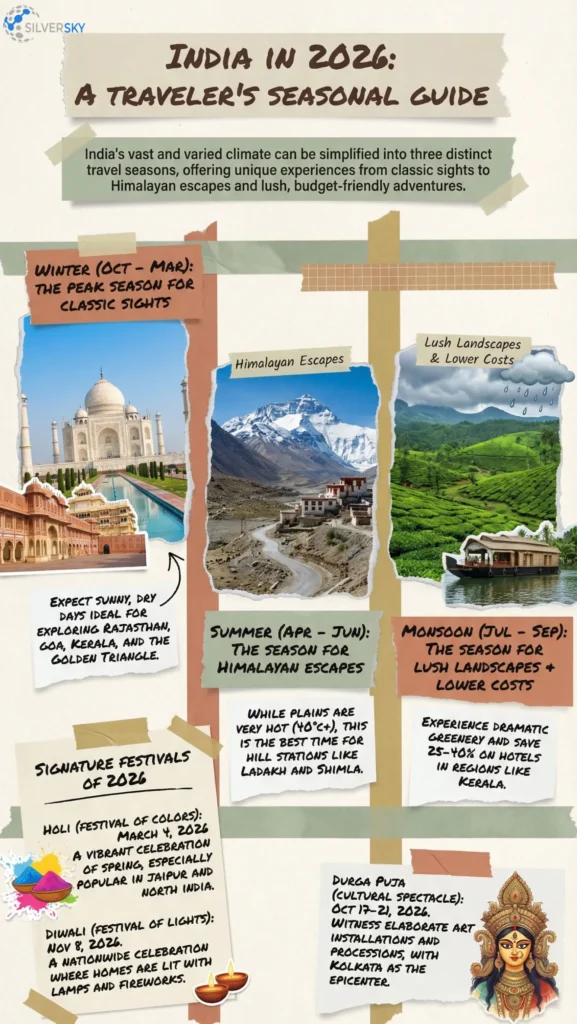
- Winter Season (roughly October to March) – main tourist season
- Summer Season (April to June) – hot, but good for hills and the Himalayas
- Monsoon Season (July to September) – lush, quieter, cheaper in many regions
Let’s look at what that actually feels like on the ground.
Winter Season (October to March): Highlights & Weather Patterns
This is the classic “best time” to visit most of India, especially during the winter months when foreign arrivals peak. Expect mostly dry, sunny days across the plains, deserts and much of the south.
What it feels like:
You step out in Delhi or Jaipur in November and the air is cool, the sky clear, and monuments don’t feel like ovens. Mornings can be misty in North India; by late morning you are comfortable in a light layer. In places like Rajasthan and Gujarat, afternoons are pleasantly warm, but nights can get surprisingly cold (think sweaters, sometimes even a light jacket).
In the Himalayas – Shimla, Manali, Kashmir, or Sikkim – winter brings real cold, snowfall in higher areas, and crisp mountain views if the weather is clear.
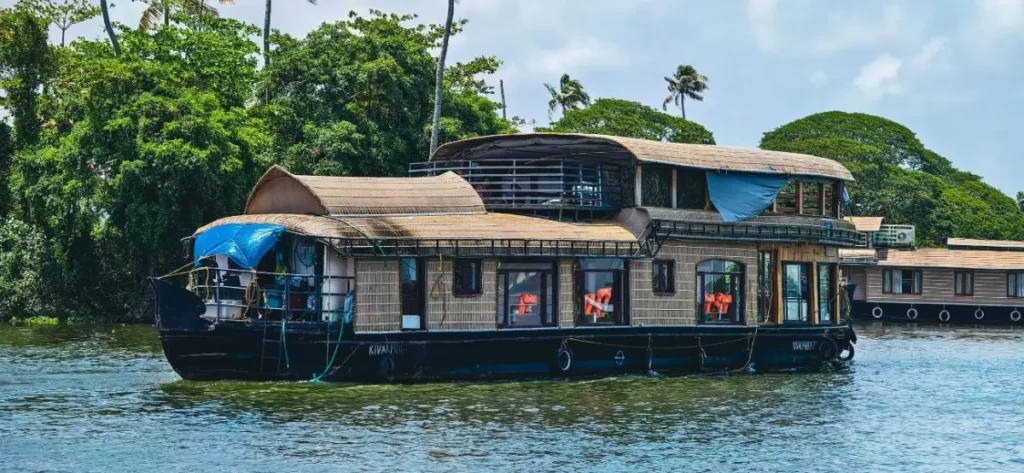
In South India (Goa, Kerala, Tamil Nadu), this is the driest and most comfortable time, often considered the main dry season: warm but less humid, calm seas, and fewer downpours.
Why travellers like this season:
- Comfortable sightseeing in North, West and East India
- Great time for Rajasthan deserts, wildlife reserves (when open), and city touring
- Prime beach and backwater season in Goa and Kerala
The trade-off? This is also peak tourist season. Hotels and flights are usually at their priciest around late December–January and again around New Year and major festivals.
Summer Season (April to June): What to Expect
Summer is when many travellers worry they’ll “melt” – and in lowland North and Central India, the heat can be intense. Temperatures in cities like Delhi, Jaipur, and Varanasi routinely climb above 40°C in May. Hot, dry winds (“loo”) sweep the plains, and sightseeing in the afternoon can be punishing if you’re not careful.
But it isn’t uniformly bad news. This is also when:
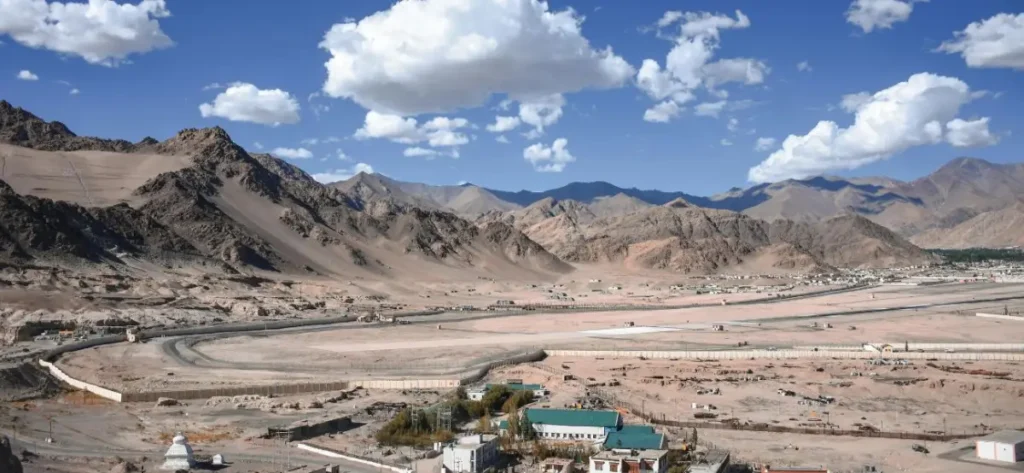
- The Himalayas and hill stations shine – Dharamshala, Shimla, Manali, Kashmir, Ladakh, Darjeeling, Sikkim are all much more pleasant, with daytime temperatures mostly in the 15–25°C range depending on altitude. (See our Ladakh curated package)
- Some northeast destinations (Meghalaya, parts of Assam before peak monsoon) feel fresh and dramatically green with early rains.
Domestic tourism peaks during school holidays in May–early June, driving crowds to hill stations and some religious centres. Plains cities are quieter in terms of leisure travellers, so if you must visit the Golden Triangle in this period, start very early and build in siesta time.
Monsoon Season (July to September): Unique Experiences
By June, the southwest monsoon rolls up from Kerala and Maharashtra to the rest of the country, usually covering most of India by early July. Monsoon rains vary a lot by region: Mumbai and Kerala might see heavy daily showers, while parts of Rajasthan get only short, intense bursts.
What you actually experience:
- Coastal cities like Mumbai and Kochi: dramatic rain, slick streets, cloudy skies, but also a certain cosy charm – chai stalls, quieter beaches, and lush hills just inland.
- Western Ghats (Kerala, Karnataka, Maharashtra ghats): waterfalls in full power, tea and spice plantations glowing green, but also the chance of landslides and road disruptions if rains are extreme.
- North India: warm, humidity with afternoon or evening showers; not always continuous rain.
Tourism drops significantly in many regions. Hotels and resorts often cut prices by 25–40%, run monsoon special packages, and throw in extras like meals or spa credits to fill rooms. Spa and Ayurveda stays in Kerala are particularly popular in this season because treatments are considered especially effective when it’s cooler and moist, and prices are lower.
If you’re okay with occasional wet shoes and flexible plans, this can be a deeply rewarding – and good value – time to visit.
Month-by-Month Guide to Visiting India in 2026
January & February – Mild Days and Popular Events
Weather:
- North & West (Delhi, Rajasthan, Gujarat): Cool to cold mornings and evenings, sunny days, ideal for sightseeing; occasional fog delays trains and flights in North India, especially early January.
- South (Goa, Kerala, Tamil Nadu): Warm, dry, low humidity – classic beach and backwater weather.
- Himalayas: Cold to very cold with snow at higher altitudes, but superb mountain views.
Travel feel: This is high season. Cities like Jaipur, Udaipur, Jaisalmer, Agra, Mumbai, and Goa are busy but festive. Hotel rates generally remain on the higher side, especially around New Year and long weekends.

Key experiences:
- Desert safaris in Jaisalmer, hot air ballooning near Jaipur
- Backwater cruises in Kerala, yoga retreats in Goa
- Literature and arts festivals (for example, Jaipur Literature Festival usually falls in late Jan)
SilverSky often uses January–February for classic Golden Triangle & Rajasthan journeys and Southern India beach + culture combos, ideal for first-time visitors and families.
March & April – Spring Blooms and Rising Temperatures
From early March, you start to feel the shift.
March 2026 highlights:
- Holi, the festival of colours, falls on 4 March 2026, with Holika Dahan bonfires on 3 March.
- Eid al-Fitr is expected around 21 March 2026, depending on the moon sighting.
Weather remains pleasant in many parts of North India in early March, though days warm up quickly by April. South and central India become hotter and more humid.
Why you might choose this window:
- You want to experience Holi in Jaipur, Mathura–Vrindavan, or with a curated local celebration (SilverSky often designs “Golden Triangle with Holi” departures for this week).
- You prefer fewer crowds and slightly lower prices than peak winter, especially from late March onwards in cities and November-style hotspots.
By late April, daytime sightseeing in lowland North India becomes harder after about 10:30–11:00 am; this is a good time to pivot towards hill stations or the south’s higher-altitude coffee and tea regions.
May & June – Peak Heat and Early Monsoon Influences
This is the hottest period in much of India. Plains and desert regions often cross 40–45°C in the afternoons, especially in Rajasthan, Gujarat, Delhi, Uttar Pradesh and parts of Central India.
When it still works:
- Himalayas & hill stations: Shimla, Manali, Dharamshala, Kashmir, Ladakh (from June when passes open), Darjeeling, Sikkim – this is high season here, with cool days and pleasant evenings.
- Wildlife: Late May and early June can be excellent for tiger sightings in some parks, as animals congregate at water sources – but heat is real, and some parks close as monsoon nears.
From late May into June, the southwest monsoon starts in Kerala and along the west coast; you’ll see pre-monsoon showers and rising humidity.
Costs and crowds:
- Hill stations are packed with Indian families on school holidays; book well ahead for May.
- Hot lowland cities see fewer foreign leisure travellers, so you may find better hotel deals – if you can handle the heat.
July & August – Vibrant Monsoons and Lush Landscapes
By July, most of India is in full monsoon mode, though intensity varies widely.
Good choices in this period:
- Kerala & the Western Ghats: Hill stations like Munnar or Wayanad and backwaters around Alleppey turn intensely green, with mist, waterfalls and dramatic skies. It rains often, but often in bursts rather than all day. Ayurveda resorts offer deep discounts and longer-stay packages.
- Goa: Many shacks close on beaches, but those that stay open cater to quiet-season travellers. Expect strong surf and moody, photogenic scenes rather than pure beach lazing.
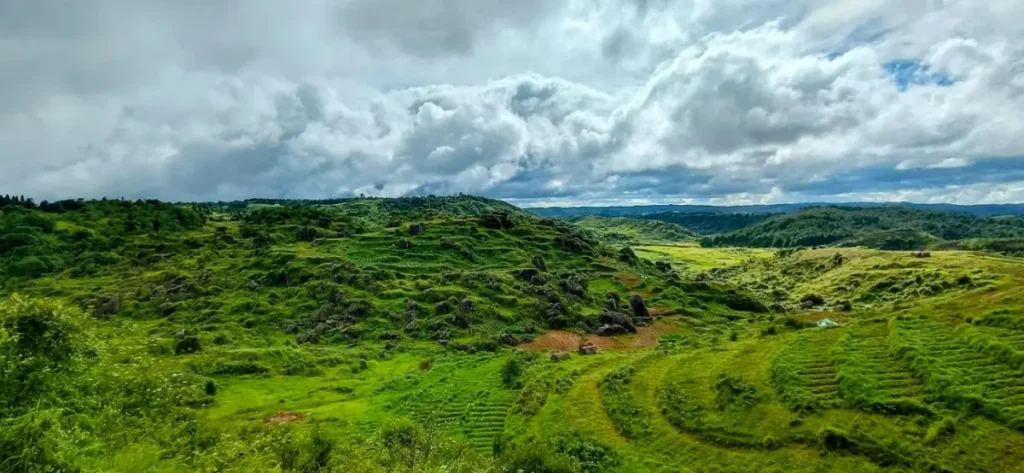
- Northeast India (Assam, Meghalaya): Very wet but spectacular – living root bridges, waterfalls, and rolling green hills; better for travellers comfortable with rain and slower logistics.
International tourist numbers and hotel rates dip during this period; many airlines and hotels mark July–September as off-season with their steepest discounts, especially for beach and resort destinations. During these months, choosing the best places to visit matters far more than chasing perfect weather.
September & October – Pleasant Shifts and Festival Kickoff
September is one of those “in-between” months many experienced travellers love.
- Rains begin to retreat in many regions; landscapes are still fresh and green.
- Temperatures soften, especially in North and West India.
- Prices are often still lower than the full winter high season, particularly in early September.
Festival season starts to build:
- Onam in Kerala falls in late August or early September; in 2026 the main Thiruvonam day will be in the second half of August, with celebrations stretching around that week.
- Ganesh Chaturthi in Maharashtra (particularly Mumbai and Pune) takes place on 14 September 2026, with idol immersions about ten days later.
- Durga Puja and Dussehra arrive in October; in 2026, the main Durga Puja days run around 17–21 October, with Vijayadashami/Dussehra on the last day.
By October, weather is very inviting across much of the country, and the great festival wave begins – this is when SilverSky usually curates Durga Puja in Kolkata, Navratri & Garba in Gujarat, and Rajasthan desert fairs departures.
November & December – Cool Retreats and Cultural Festivities
This is many travellers’ favourite window to visit India.
- Weather: Cool, dry, and comfortable across North, West and East India; beaches and backwaters in the south are in top form; the heaviest monsoon on the east coast (Tamil Nadu) usually tapers into clearer days as you move deeper into November.
- Festivals:
- Diwali, the festival of lights, falls on 8 November 2026.
- The Pushkar Camel Fair in Rajasthan typically runs around late October–November, with 2026 dates expected close to the Diwali period.
- Christmas and New Year bring a very festive mood to Goa, Kerala, Mumbai, and hill stations with strong Christian communities.
Not surprisingly, November–early January is peak high season. Foreign arrivals spike; hotel prices in hotspots like Goa, Kerala, and Rajasthan can be significantly higher than June–September rates, sometimes nearly double in prime pockets.
SilverSky often sells out popular “Diwali in Rajasthan”, “Goa & Kerala Beaches at Christmas”, and “Golden Triangle & Varanasi” itineraries months in advance for this window.
Regional Breakdown – Best Times to Visit Major Destinations
Northern India: Delhi, Agra, Jaipur & Himalayas
Best season each region in North India:
- Delhi–Agra–Jaipur (Golden Triangle):
- Best: late October to March – clear skies, comfortable days, cooler nights.
- Avoid if possible: late April to mid-June, when heat waves are common.
- Monsoon (Jul–Sep): workable with rain breaks; fewer international crowds, some humidity.
- Rajasthan (including Jodhpur, Jaisalmer, Udaipur):
- Best: November to February for desert trips and city palaces.
- Shoulder: October, March – warm but not punishing.
- Summer: extremely hot; best avoided except for targeted experiences, like very short desert stays with early/late activities.
- Indian Himalayas (Himachal Pradesh, Uttarakhand, Kashmir, Ladakh):
- Best for general travel: March–June and September–October, depending on altitude.
- Ladakh and high mountain routes: typically late May/June to September, when passes are open.
- Winter: Dec–Feb for snow in places like Gulmarg or Auli; some routes closed or restricted.
Western India: Rajasthan, Gujarat & Mumbai
Western India brings deserts, cities and coastline into one region.
- Rajasthan: as above – winter is ideal; monsoon brings dramatic skies and some greenery but can disrupt desert safaris.
- Gujarat:
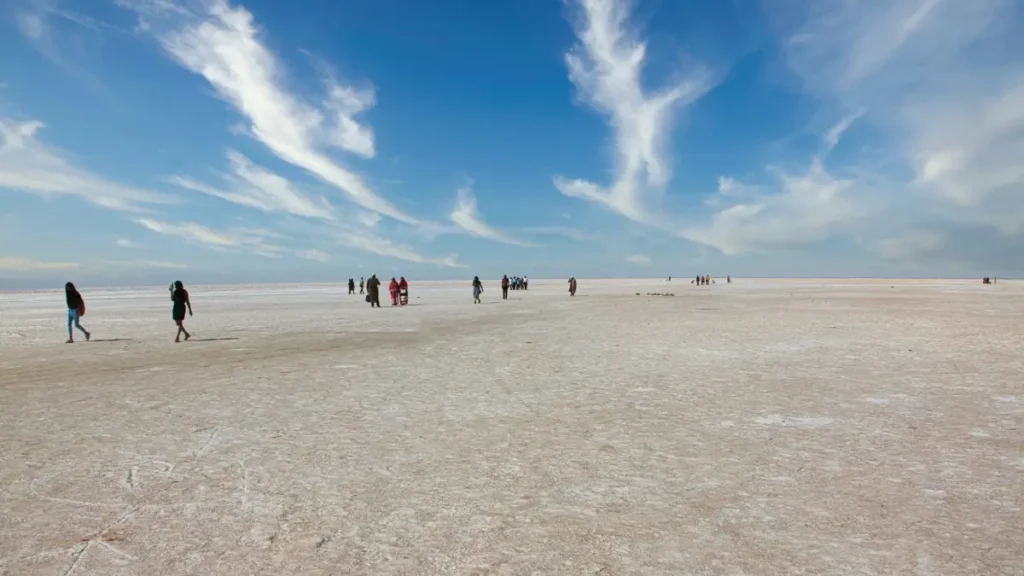
- Best: November–February, particularly for the Rann of Kutch, Gir National Park, and Ahmedabad.
- Very hot: March–June.
- Monsoon: July–September, with rain but not as heavy as the west coast.
- Mumbai & Maharashtra coast:
- Best: November–February, warm with low humidity.
- Monsoon: June–September – extremely wet; local life continues but tourism is hampered by downpours and occasional flooding.
- Shoulder: March–April and October; hot but manageable.
Southern India: Kerala, Goa & Tamil Nadu
South India’s climate is more consistently warm year-round, but rainfall patterns differ sharply between coasts.
- Kerala:
- Best: November–March for backwaters, beaches and tea plantations.
- Monsoon: June–September (southwest) and October–November (northeast) – very rainy but lush; good for wellness/Ayurveda stays and lower prices.
- Onam festival period in late August is culturally rich but can be crowded and wet.
- Goa:
- Main tourist season: November–March – dry, sunny days, buzzing nightlife.
- Monsoon (June–September): beaches are wild, many shacks shut, prices fall; good for those who prefer quiet and don’t mind rain.
- Tamil Nadu (Chennai, Pondicherry, temples of Madurai–Trichy–Tanjore):
- Best: November–February – relatively cooler and less humid.
- Hottest: March–June.
- Northeast monsoon: October–December brings heavy showers, especially along the coast.
Eastern & Northeastern India: Kolkata, Assam & Darjeeling
- Kolkata & surrounding plains:
- Best: November–February – comfortable, dry weather.
- Durga Puja in October offers unforgettable cultural immersion but can be humid and sometimes rainy; in 2026, main Puja days fall around the second half of October.
- Darjeeling & Eastern Himalayas:
- Best: March–May and October–November – clear views, cool air.
- Heavy monsoon: June–September, with clouds and frequent rain.
- Assam & much of the Northeast:
- Best: November–April in many areas – drier and cooler.
- Peak monsoon: June–September – extremely wet but stunning landscapes, best for experienced travellers who don’t mind weather-related changes.
SilverSky often suggests pairing Kolkata & Durga Puja with Darjeeling tea hills or Assam river cruises, depending on your interests and the exact October–November dates you’re targeting.
Peak Tourist Season in India – When & Why
Pros of Traveling During High Season
Peak season broadly runs from late October to March, with a sharper spike in November–February.
Advantages:
- Comfortable weather for most classic circuits (Golden Triangle, Rajasthan, Kerala, Goa, Mumbai, Kolkata).
- Full choice of experiences – wildlife parks open, mountain roads mostly clear (except higher Himalayas mid-winter), beach operations in full swing.
- Festival atmosphere – Diwali, Durga Puja, Christmas, New Year, regional melas and fairs all cluster in this period, adding cultural depth.
For many first-time visitors, this is the safest bet: less weather risk, fewer disruptions, and easy pacing for families or seniors.
Drawbacks and How to Avoid Crowds
The downsides are predictable:
- Higher flight and hotel prices, especially around Christmas–New Year, Diwali, and year-end weddings.
- Popular sights are busier, especially in the most popular destinations – Taj Mahal at sunrise, Jaipur’s Amber Fort, Old Goa churches, major ghats in Varanasi, and festival hotspots.
Ways to soften the impact:
- Travel in shoulder periods like late September–mid October or late February–March: weather is still pleasant in many regions, but crowds and prices are usually more manageable.
- Start sightseeing early in the morning, particularly in the Golden Triangle and Rajasthan – you beat both heat and tour coach groups.
- Choose slightly less obvious bases – for example, staying in a village near Jaipur instead of in the city, or a quieter South Goa beach instead of Calangute–Baga.
- Let SilverSky build in rest days and offbeat stops: a rural homestay in Rajasthan, a spice village near Thekkady, or a heritage town like Chettinad in Tamil Nadu can offer a breather between headline cities.
India’s Festival Calendar – Top Cultural Events by Season
Festivals follow a lunar/solar calendar, so dates shift every year. For 2026, here are some of the big ones to keep in mind when planning.
Spring & Summer Festivals (Holi, Eid, Buddha Jayanti)
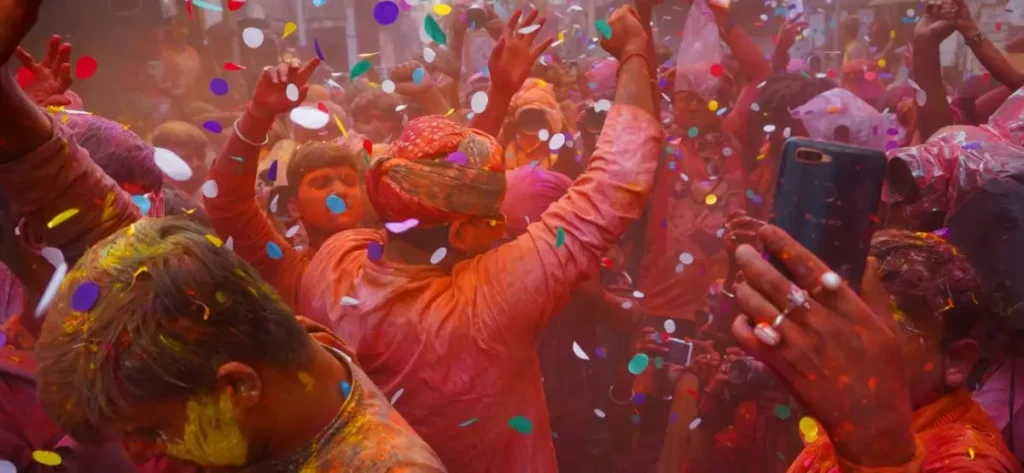
- Holi (Festival of Colours) – 4 March 2026, Holika Dahan on 3 March.
Expect colour play, music, and revelry across much of North and West India. Cities like Jaipur, Mathura, and Vrindavan become major hubs. - Eid al-Fitr (end of Ramadan) – expected on or about 21 March 2026 in India, subject to moon sighting.
You’ll notice special prayers at mosques, festive markets, and feasts in cities with large Muslim communities: Delhi, Lucknow, Hyderabad, Bhopal, parts of Kerala and elsewhere. - Buddha Purnima/Buddha Jayanti – usually falls in April or May; exact 2026 date will be confirmed closer to the time. Bodh Gaya, Sarnath, and Dharamshala are especially meaningful places to be.
SilverSky’s festival-focused departures often include Holi in Rajasthan & Uttar Pradesh or Eid and heritage walks in Old Delhi, carefully curated to keep things fun but respectful and safe.
Monsoon & Autumn Festivals (Onam, Ganesh Chaturthi, Durga Puja)
- Onam (Kerala’s harvest festival) – in 2026, main Thiruvonam day falls in the second half of August, with celebrations unfolding over roughly ten days.
Expect floral carpets, grand vegetarian feasts (Onam sadya), boat races, dance performances and a very homecoming feel across Kerala. - Ganesh Chaturthi – 14 September 2026.
Maharashtra, especially Mumbai and Pune, come alive with processions, music and temporary shrines to Ganesha. - Durga Puja and Dussehra – In 2026, main Durga Puja days in many parts of India fall around 17–21 October, with Dussehra/Vijayadashami marking the final immersion day.
Kolkata is the epicentre, with elaborate pandals (temporary temples), cultural shows, and food stalls. In North India, Dussehra often features Ram Leela performances and effigy burnings of Ravana.
This is a wonderful time to pair cultural immersion with comfortable weather, especially in East and North India.
Winter Festivals (Diwali, Pushkar Camel Fair, Christmas)
- Diwali (Festival of Lights) – 8 November 2026.
All over India, you’ll see homes and temples lit with lamps, fireworks, sweets, and family gatherings. - Pushkar Camel Fair (Rajasthan) – roughly late October or November, aligned with the Kartik Purnima full moon, often close to Diwali. Expect camel trading, folk performances, and a huge rural fair atmosphere.
- Christmas & New Year – late December
Goa, Kerala, and some hill stations celebrate with services in historic churches, beach parties, and festive markets. For many international travellers, this is the dream “India winter sun” period.
SilverSky often bundles festival experiences into tour packages – think “Diwali & Royal Rajasthan”, “Onam & Kerala Backwaters”, or “Durga Puja & Tea Hills of Darjeeling” – so you can choose how deep into the celebrations you want to go.
Traveler Tips – Choosing When to Visit India in 2026
- Match the region to the season. If you only have May, lean into the Himalayas or the Northeast. If you’re fixed on January, a Rajasthan + Kerala or Goa combo works beautifully.
- Think about your heat tolerance. Many travellers underestimate how draining 40°C can be. If you dislike heat, avoid late April–June in the plains.
- Decide if you want festivals or calm. Being in Kolkata during Durga Puja or in Jaipur during Diwali is magical, but you’ll need to book earlier and accept bigger crowds. If you prefer quieter streets, aim a few weeks away from major festivals.
- Be flexible during the monsoon. Build buffers for travel delays, choose properties that are pleasant to stay in on a rainy day, and don’t cram your schedule.
SilverSky tends to ask a few practical questions – your preferred temperature range, how much rain you’re willing to tolerate, and whether crowds bother you – and then steers you toward the right month–region combination. If you have, say, two weeks in September, that might translate into a Mumbai–Goa–Kerala monsoon trail, or a Delhi–Jaipur–Agra plus Rishikesh combination where showers are lighter.
Best Time to Visit India Based on Your Travel Style
The right time to visit India often comes down to how you like to travel, not just the calendar.
If this is your first trip to India and you want predictable weather and classic sightseeing, the winter months from late October to March are usually the easiest place to start. Days are comfortable, transport runs smoothly, and most headline experiences are in full swing.
If festivals are a big part of why you’re coming, plan around them rather than around weather alone. Holi in March, Durga Puja in October, and Diwali in November can be travel highlights, but they also bring crowds and higher demand in specific cities.
If you’re travelling on a tighter budget or prefer a quieter pace, the monsoon season can be surprisingly rewarding in the right regions. Places like Kerala, parts of the Western Ghats, and sections of the Northeast feel calmer and more local during this time, with lower prices and greener landscapes.
And if you’re returning to India or looking for something more active, summer works well when you focus on higher-altitude regions such as the Himalayas or tea-growing hill areas, where cooler temperatures make travel comfortable even when the plains are hot.
Cost Considerations – Flights, Hotels, and Local Expenses
Flights:
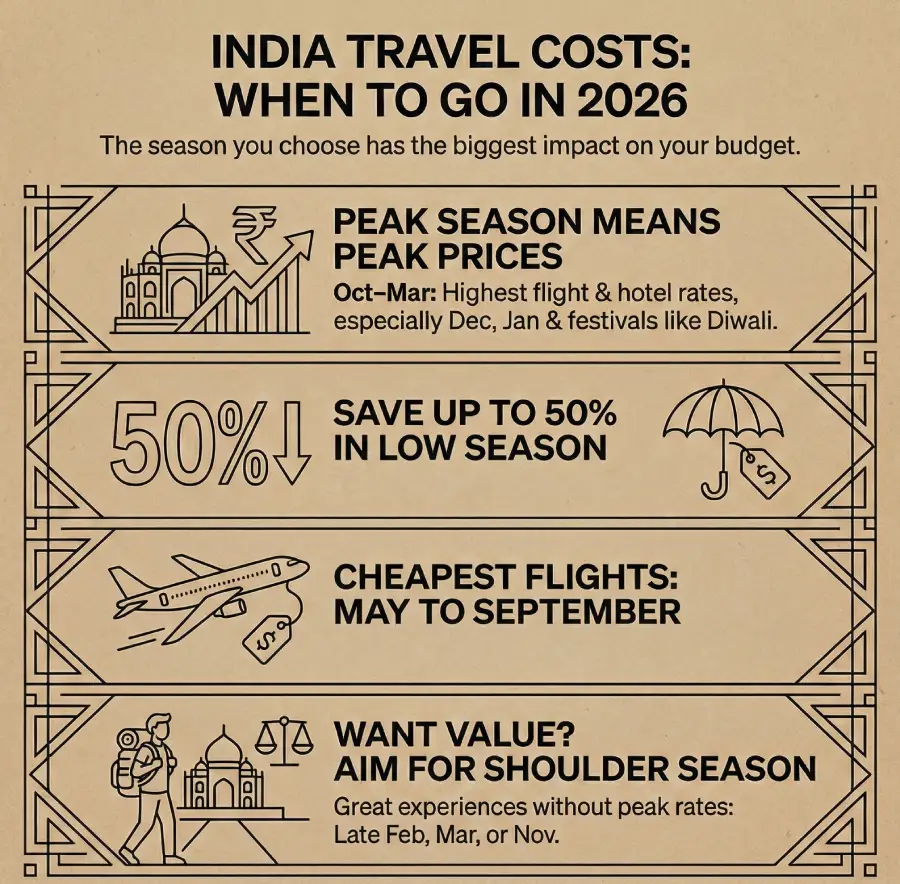
- International airfares to India tend to be highest around December–January and during big festival weeks like Diwali and sometimes Holi.
- Cheaper months for flights often fall between May and September, with July and parts of September typically showing some of the steepest discounts on many routes, especially outside local school holiday peaks.
Hotels and packages:
- Peak season (roughly late October–March) usually sees higher tariffs, with luxury and boutique properties in Goa, Kerala, Rajasthan and major cities charging a premium.
- Monsoon and shoulder seasons (April, May, September, parts of October) can bring significant rate drops, sometimes 25–50% lower for mid-range and upscale stays in key destinations, plus value-added offers like free meals or spa credits.
As a loose budget expectation for 2026 (per person, per day, excluding international flights):
- Economy:
- Shared or simple private rooms, local transport, street food and basic restaurants.
- You can often travel in the range many backpackers are comfortable with, especially if you avoid Dec–Jan and festival weeks and lean into rail/bus travel.
- Mid-range:
- Comfortable hotels or heritage guesthouses, private car for sightseeing, mix of casual and nicer restaurants.
- Expect a noticeable difference between monsoon prices and December prices in cities like Delhi, Jaipur, Goa or Kochi; June in Delhi has seen mid-range rates under ₹3,000, compared with ₹6,000+ in December for similar properties.
- Premium:
- Boutique and luxury hotels, business-class style domestic flights, curated experiences and private guiding.
- High season, especially around Christmas–New Year and Diwali, commands the highest premiums in hotspots like Goa, Kerala backwaters, Udaipur and Jaisalmer.
SilverSky typically tailors itineraries around your preferred budget band and season. For example, if you want premium experiences but not peak rates, a carefully timed February, March, or November departure can stretch your rupee or dollar much further than late December.
Conclusion
By now you’ve probably noticed there is no single “perfect” month or time of year that works for every part of India. Instead, this best time to visit India weather guide is about matching your dates to the right regions, festivals, and budget sweet spots.
- If you want textbook-clear weather and classic sights: aim for late October to March.
- If you love mountains and can handle some heat in the plains: combine April–June with the Himalayas.
- If you travel for atmosphere, greenery, and value: embrace July–September in carefully chosen regions like Kerala, Goa, or parts of the Northeast.
SilverSky’s strength lies in entangling that holiday culture – the right festival, the right homestay, the right evening aarti or cooking class – into your route. If you already have articles or packages on Golden Triangle tours, Kerala backwaters & Ayurveda, Ladakh road trips, Goa beach holidays, or Durga Puja in Kolkata, this guide links naturally into them so travellers can click deeper based on their chosen month and region.
If you’d like help turning your preferred dates into a real itinerary, this is the stage where talking to a travel expert pays off. You now understand how India’s 2026 calendar looks; the next step is simply shaping it into your own journey.
Frequent Questions:
From a flights-and-hotels point of view, the cheapest period to travel to India is usually between May and September, with July and parts of September often emerging as the lowest-fare months on many routes.
During this window:
It’s either very hot (May–June) or rainy (July–September) in much of the country, which keeps leisure demand lower.
Airlines and hotels respond with discounts that can reach 25–50% compared to peak winter and festival periods, especially in large cities and beach destinations like Goa and Kerala.
If you’re flexible, late August and September can be a nice compromise: you still get many of the cheaper fares and room rates, but the monsoon starts to retreat in several regions, and landscapes are beautifully green.
For most travellers, North and West India – especially the Golden Triangle (Delhi–Agra–Jaipur) and Rajasthan – are the sweet spot for winter (October–March).
You get:
Clear, dry days ideal for sightseeing in cities and forts.
Cool to cold evenings that are comfortable with a light jacket.
Desert experiences around Jaisalmer and the Thar that are enjoyable rather than scorching.
At the same time, South India’s coastal belt – Goa, Kerala, and much of Karnataka – also enjoys very pleasant winter weather, with warm, sunny days, relatively low humidity, and calm seas.
So if you want a single answer:
For culture-heavy trips – Rajasthan and the Golden Triangle.
For relaxed, warm winter sun – Goa and Kerala.
Yes and no – it depends where you go, and how you structure your days.
Not ideal for lowland North and Central India: Places like Delhi, Agra, Varanasi, and much of Rajasthan can be extremely hot in May–June, with afternoon temperatures regularly above 40°C. Sightseeing is still possible, but you’ll need early starts, long midday breaks, and strong heat tolerance.
Very suitable for the Himalayas and many hill stations: If you focus your summer itinerary on Himachal Pradesh, Uttarakhand, Kashmir, Ladakh, Darjeeling, or Sikkim, you’ll find cool to pleasantly warm daytime temperatures and green landscapes. This is actually high season in many hill areas, especially with Indian families escaping the plains.
Mixed for the south and coast: South India and the west coast can be hot and humid in April–May, with the monsoon arriving from June. Short city visits and cultural stops are manageable with careful pacing, but beach lazing is generally more enjoyable from November to March.
So, the summer months are suitable for sightseeing – just not everywhere. If you only have April–June for India in 2026, it’s wise to build your route around the Himalayan belt, higher-altitude tea/coffee regions, and maybe a short urban or cultural stop, rather than a long circuit through the hottest plains. A company like SilverSky can help reshuffle a classic itinerary into a “summer-smart” version that still hits your key interests without exhausting you in the heat.
If you already have dates in mind but aren’t sure which region fits them best, a quick conversation with a travel planner can save you a lot of trial and error.