
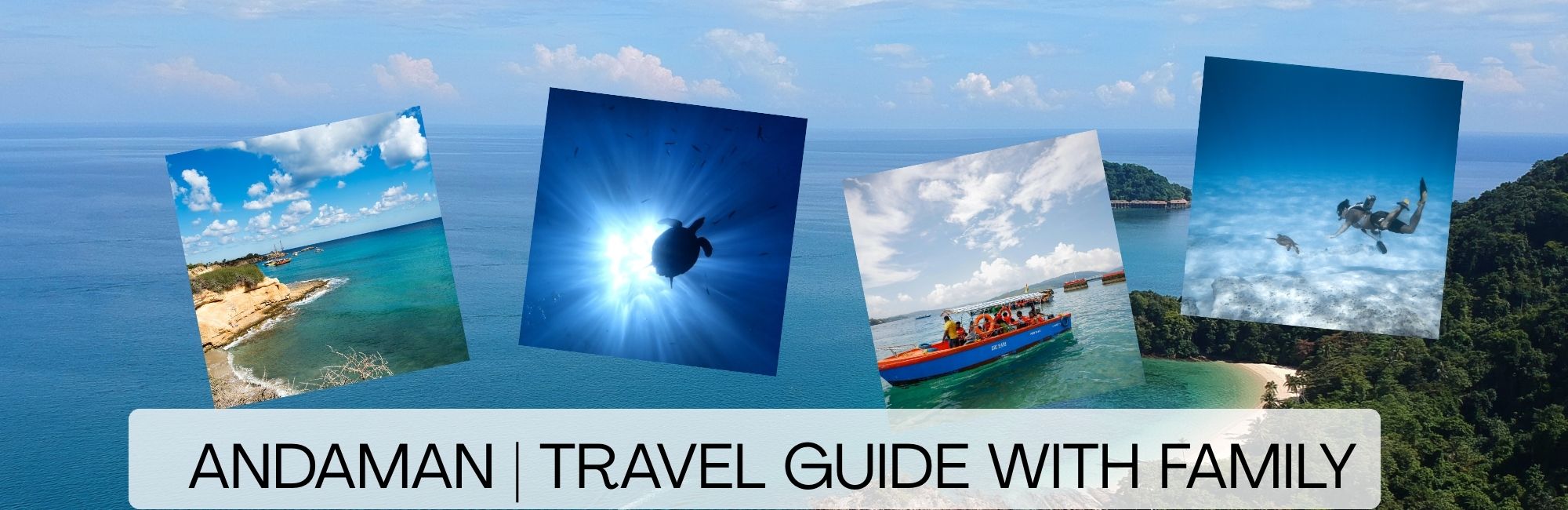
The Andaman Islands feel different when you’re traveling with children.
It’s not the chaotic beach holiday you might be imagining. Instead, there’s a calmness to it—clear water that kids can actually see through, beaches with manageable crowds, and the kind of space that lets families breathe. This is one of those destinations where parents find themselves relaxing too, which rarely happens on trips with young children.
But getting there smoothly, knowing what’s genuinely worth your time, and understanding what will actually work for your family—that requires real information, not just Instagram-perfect descriptions. This guide walks through what families should know before booking, what the days actually feel like, and how to avoid the mistakes that turn beach vacations into regrettable memories.
Why Andaman Works for Families? (And Why It Might Not)
Andaman’s appeal to families rests on a few genuine facts. The water is safe for kids—calm in the right seasons, clear enough that children get genuinely excited about what’s beneath the surface. The local population is unfailingly friendly, and crime against tourists is remarkably low. There’s no wild animal threat on the beaches, no aggressive vendors, and the medical infrastructure in Port Blair is adequate for common emergencies, though not a match for major mainland cities.
The islands are also, importantly, not overcrowded in the way that Goa or popular coastal towns are. You won’t find yourself fighting through throngs of tourists to reach the water or spend hours trapped in lineups. This matters more than people realize when you’re managing young children.
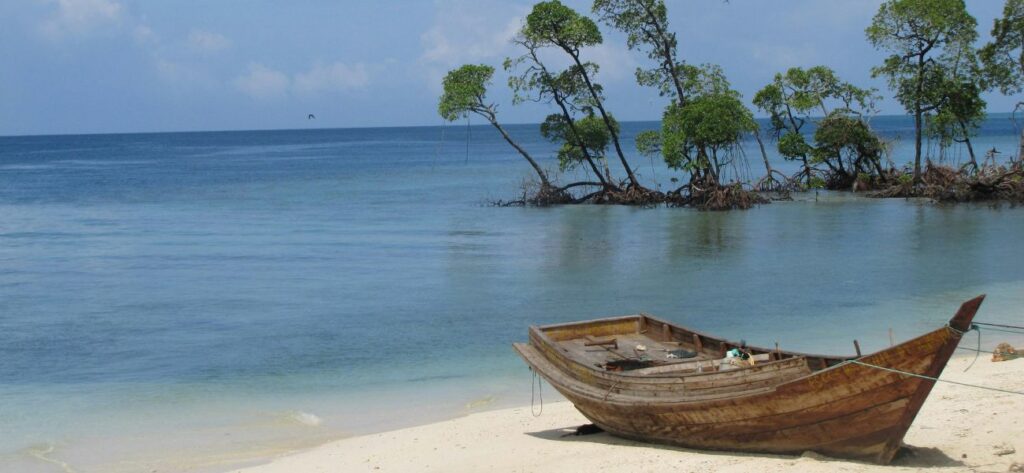
That said, Andaman works best for families with specific profiles. If your idea of a vacation involves your kids running wild from dawn to dusk, or if your children struggle with ferry travel, long car rides, or being away from familiar food, you should know this upfront. The islands demand decent pacing and a willingness to embrace rest time instead of filling every hour with activities. Ferries between islands are non-negotiable, and they’re not always comfortable on rough days. The medical facilities on outer islands like Havelock and Neil are genuinely basic—anything serious means traveling back to Port Blair.
For families willing to move slowly, prioritize beach time over constant itineraries, and accept that some days will be quieter than others, Andaman is exceptional.
It also helps to know that the Nicobar Islands are not part of standard family itineraries and are restricted, so most family trips focus only on the Andaman Island group.
If you’re already thinking about dates or rough budgets, looking at a few family-friendly Andaman itineraries can help you see what’s realistic without committing to anything yet.
Understanding Seasons and Planning Around Weather
This is the decision that shapes everything else about your trip.
October through March is the peak season, and it’s popular for solid reasons. The water is calm, skies are clear, and the temperature hovers between 28–33°C during the day. This window is genuinely the best time for families. Within this period, November and early February offer the most comfortable temperatures for children, with less intense sun than March and better weather stability than October.
October brings occasional rain but it’s the tail end of the monsoon, so conditions improve as the month progresses. February is exceptionally pleasant. March gets hot—genuinely hot. Protecting kids from sun exposure becomes an active daily challenge, and midday outdoor activities are impractical. If you’re considering March, plan the earliest possible mornings and save the afternoon hours for indoor spaces, pools, or hotel breaks.
April and May sit in an awkward middle ground. Temperatures spike (pushing toward 33°C), humidity rises, and occasional heavy showers arrive as monsoon approaches. Many families find this uncomfortable, though crowds thin and some tour operators offer discounts. This is genuinely a “know your family” choice.
June through September brings monsoon conditions. Heavy rainfall, rough seas, and frequent closures of ferry services are standard. This is when snorkeling, scuba diving, and inter-island trips become unpredictable or impossible. However—and some families deliberately target this window—hotels cut rates significantly, islands are lush and green, and if you don’t mind indoor activities and short-burst beach time between showers, it’s peaceful. This is not ideal for most families, but budget-conscious travelers with flexible children sometimes find it works.
For families traveling with school schedules, the October-early November window and February half-term work best.
How Long Should You Actually Spend There?
Many families arrive asking if five days is enough. The honest answer: five days is the minimum to feel like you’ve done something, not rushing through a checklist. Most families underestimate how much travel days eat into a family trip like this.
A realistic five-day trip looks like this: Day 1 arrives scattered, covers basic settling in and maybe one gentle activity. Days 2-4 are your actual exploration window. Day 5 involves travel home, minus a morning activity. You’re really working with three strong days of activities, which is enough for snorkeling, one island hop, some beach time, and a cultural site like Cellular Jail.
Six to seven days is what most families should target. This gives you breathing room—a day where everyone’s tired and you just stay at your beach, proper afternoon rest times without missing experiences, and mental space to recover between activities. You’re not running on fumes by day 4, and kids aren’t losing their minds from overstimulation.
That extra buffer often makes the difference between a rushed itinerary and a genuinely relaxing family vacation.
Eight days is wonderful if you can manage it, especially with younger children. It allows for two calm beach days without guilt, longer-term ferrrying to Neil Island without it feeling exhausting, and something closer to an actual relaxing holiday rather than compressed tourism.
What Families Actually Do: The Shape of Your Days
A typical day in Andaman with kids looks different depending on where you’re staying, but there’s a pattern.
Port Blair
If you’re based in Port Blair on the mainland, you’ll move slowly. Breakfast is leisurely because ferry schedules mean early mornings. A morning activity might be Cellular Jail (30-45 minutes, genuinely engaging for kids old enough to understand history), or a trip to North Bay Island for glass-bottom boat rides or snorkeling. Lunch is informal—many families grab beach-side cafes rather than formal restaurants. Afternoon always includes downtime: hotel pool, nap, or just beach wandering without agenda. An evening might include the light show at Cellular Jail if kids haven’t seen it, or a stroll through Aberdeen Bazaar market.

Havelock Island
Days in Havelock Island (now officially Swaraj Dweep) shift into a rhythm of Radhanagar Beach in early morning when it’s calm and crowd-free, breakfast, water activity (snorkeling, dolphin watching, glass-bottom boat), lunch, long rest during the hottest hours, and late afternoon beach time or local exploration. This island has a quieter pace than Port Blair, and most families settle into a two- or three-day rhythm without much planning needed.
Neil Island
Neil Island days are even slower. Beaches are less developed, fewer tourists, and the atmosphere is almost village-like. Families explore Bharatpur Beach (shallow, calm, excellent for younger swimmers), perhaps take a snorkeling trip to Turtle Beach, and otherwise spend time on the beach or exploring the island’s quiet interior.
Many families are surprised at how much they enjoy unscheduled time. Kids build sand creations, adults read books without interruption, and the pressure to optimize every moment melts away.
Activities That Actually Work With Children
Glass-bottom boat rides are perhaps the most universally loved activity. Children from age 5-6 onward enjoy them genuinely—there’s no swimming required, you stay dry, and the glass bottom reveals vibrant fish and coral without diving. The experience typically lasts 45 minutes, costs around ₹2,250 per person, and requires no special skills. Available at Jolly Buoy Island (Port Blair), Elephant Beach (Havelock), and Bharatpur Beach (Neil), these are easy wins with young kids. For most families, a glass bottom boat ride ends up being the easiest introduction to the islands’ marine environment.
Kids usually stay engaged because the marine life is visible almost immediately, without needing them to swim or use equipment.

Snorkeling works best for kids 10 and older, though some sources suggest 6+ with supervision. The reality: your child needs to be genuinely comfortable in water, not just able to swim. They must be willing to put their face in unfamiliar water with gear on, and that’s a personality trait, not an age. Beginner spots like Elephant Beach (Havelock) and Bharatpur Beach (Neil) have calm, shallow reefs perfect for first-timers. Professional guides are essential, and costs start around ₹1,000 per person.
For many children, this is their first real look into an underwater world that feels safe rather than intimidating. These shallow areas sit close to coral reefs, which is why even beginners see fish activity without going far from shore.
Dolphin watching and boat rides happen early morning at various locations around the islands. Kids find genuine excitement watching dolphins in the wild, and the boat ride itself—30-45 minutes of being on the water—is engaging. Safety equipment and life jackets are standard. Cost runs ₹800-1,500 per person depending on operator.
Beach exploration and simple swimming shouldn’t be overlooked. Radhanagar Beach in Havelock and Bharatpur Beach in Neil are notably calm and swimmer-friendly. Shallow entry, soft sand, and gorgeous sunsets make these valuable not just as photo spots but as genuine relaxation spaces. There’s no activity, no cost, and kids burn real energy.

Cellular Jail and the light show in Port Blair works for kids 8 and up who have some attention span for history. The evening light and sound show dramatizes India’s independence struggle and is engaging rather than dry. Go early to avoid crowds. ₹100-200 per person.
Sea walking is offered in some locations, but it’s better suited to older children and teens who are comfortable wearing helmets underwater.
Activities generally worth skipping with young kids include Scuba diving (requires age 10+ minimum and technical training), Baratang Island full-day trips (extremely long, involves early morning starts around 3 AM, limited food options, exhausting for young children), and strenuous hikes in national parks. These work better for families with older children or for one parent to do while the other supervises kids at the hotel.
Safety, Health, and What Parents Actually Worry About
The good news: Andaman is legitimately safe for families. Crime rates are low, locals are protective of tourists, and tourist areas are secure. The water is safe for swimming in designated beach areas.
Mosquitoes and insects exist. Full-sleeve clothing for kids, hats, and repellent (carried from home if you have brand preferences) matter, especially during monsoon and shoulder seasons. Sand flies can be present near beaches in evening hours, so timing beach visits for morning and early afternoon helps.
Sunburn is the real hazard. The tropical sun is intense, and kids’ skin isn’t forgiving. Waterproof sunscreen (SPF 50+), reapplied every 90 minutes if kids are in water, is non-negotiable. Lightweight long-sleeve rash guards for water activities make a real difference. Hats and sunglasses for everyone.
Medical facilities deserve honest clarity. Port Blair has adequate hospitals including a government general hospital with reasonable equipment and trained doctors. Havelock and Neil have basic clinics for minor issues only—anything requiring imaging, surgery, or serious intervention means ferry travel back to Port Blair, which on rough seas can take 1.5-2 hours. This is important for families with chronic health conditions or very young babies. Carry a complete first-aid kit and essential medications from home. Pharmacies exist but stocks are unpredictable because supplies are imported from the mainland.
Water safety is straightforward: use swimming areas where others are swimming, supervise young children constantly, don’t let kids swim in unfamiliar areas, and be aware of currents (though designated beaches are relatively safe).
Digestive issues happen occasionally. Tap water is unsafe—use bottled or boiled water only. Street food is cheaper but riskier; restaurants with established reputations are safer. Many families carry familiar snacks and some ingredients to prepare simpler meals alongside trying local cuisine.
Food: Vegetarian Options and What Kids Will Actually Eat
A common misconception is that Andaman offers only seafood. It doesn’t. Pure vegetarian restaurants exist in Port Blair, Havelock, and Neil, though options are more limited than on mainland India. North Indian thalis, South Indian meals, and Chinese vegetarian dishes are available across the islands. Popular pure veg spots include Icy Spicy and Doiwala in Port Blair, and Shankahari on Havelock. Even seafood-heavy restaurants offer vegetarian options.
The practical approach: eat where locals eat. Tourist restaurants cater to all preferences and are generally hygienic. Beach-side shacks are cheaper but less predictable in terms of sanitation. Hotels often provide breakfast included, which removes one daily decision.
For families with young kids who eat standard fare, carry backup foods. Familiar biscuits, snacks, and simple items give psychological comfort and handle moments when restaurants don’t have what kids want. Baby formula, if using specific brands, should come from home—local stocks may not match your brand.
Local cuisine gradually introduced works well. Kids often become more adventurous with mild coconut curries and seafood preparations if it’s offered as a normal part of the trip rather than an “exotic” challenge.
Budget Reality Check
A family of four (two adults, two kids) spending 5-6 days in mid-range accommodations and reasonable activity levels can expect the following:
Flights typically run ₹10,000-15,000 per person from major Indian cities, scaling higher during peak season. Budget ₹40,000-60,000 for flights alone for a family of four.
Accommodation in a mid-range 3-star hotel runs ₹2,500-3,500 per night, though family rooms offering better space might run ₹4,000-5,000. Budget hotels start ₹1,000-1,500 per night but are genuinely basic. Premium resorts jump to ₹8,000-12,000+. For 5 nights, mid-range families should budget ₹15,000-22,000 for accommodation.
Ferries between islands cost ₹400-500 per person one-way. If you’re going to Havelock and Neil, budget ₹3,000-5,000 for ferry tickets for the family.
Activities vary enormously. Glass-bottom boat rides cost ₹2,000-2,500 per person. Snorkeling runs ₹1,000-1,500 per person. Cellular Jail and museums are ₹100-200 per person. A dolphin watching trip costs ₹800-1,500 per person. Budget ₹10,000-15,000 for activities across the week.
Food costs ₹300-800 per meal at local restaurants, ₹1,000-1,500 at tourist-focused spots. A family eating mixed—casual lunches, nicer dinners a few nights—can manage ₹3,000-4,000 daily, or ₹15,000-20,000 for the week.
Ground transport includes airport pickups, local taxis, and inter-island taxi ferries. Budget ₹3,000-5,000 for this.
Total estimate for a family of four, 5-6 days, mid-range trip: ₹1,40,000-1,80,000 including flights, accommodation, activities, ferries, food, and transport. That breaks down to roughly ₹35,000-45,000 per person all-in.
Budget-conscious families traveling during shoulder season (April-May or late August-September) can reduce this significantly. Peak season (December-February) and school holidays push costs upward.
Packing: What You Actually Need
The list is genuinely shorter than most parents pack.
Clothing: Light, breathable cotton. Shorts, t-shirts, sundresses. A light jacket because hotels and ferries run heavy air-conditioning. Rain gear if traveling June-September. One or two nicer outfits if dining somewhere specific. Swimwear for everyone, plus a quick-dry towel per person. Comfortable walking shoes for exploration; flip-flops for beaches. No heels (beaches are sandy, walking is constant).
Sun protection: Sunscreen SPF 50+, waterproof, reapplied often. Sunglasses. Wide-brimmed hats or caps. Lightweight long-sleeve rash guards for water activities. This isn’t optional—tropical sun is real.
Health and toiletries: Mosquito repellent (carry from home if you have preferences). Personal medications and a first-aid kit including motion sickness medication (ferries). Basic pain relievers, allergy medication if relevant, anti-diarrhoea medication. Toothpaste, basic toiletries—these are available but carrying ensures your family’s preferences. Baby items if needed: diapers are available, but specific brands may not be. Baby formula, if using specialty brands, should come from home.
Documents: IDs for everyone. Kids don’t need a special permit to visit Andaman (Indian citizens), but carrying ID is necessary for ferry bookings.
Entertainment: Books, age-appropriate toys, a tablet with downloaded shows or movies (helpful during ferry rides and rest times). This might seem basic but is genuinely valuable.
Other: Water bottle (refill at restaurants with RO systems). Phone chargers and power bank. The sim card situation is tricky—BSNL works best, but even that isn’t 100% reliable in remote areas. Carry it as backup for communication, not navigation.
What you don’t need: formal wear, extensive electronics, multiple shoes, or anything fancy. Andaman is casual. Wear the same thing repeatedly. Humidity means clothes get sweaty quickly—have more than you think you need, but overall volume stays low.
Common Mistakes (And How to Avoid Them)
Not booking in advance, especially in peak season. Ferry tickets sell out. Hotels fill. Popular snorkeling spots have limited daily visitors. Book flights, accommodation, inter-island ferries, and activities 60-90 days ahead of peak season travel. Government ferries are cheaper but often crowd-challenged and less safe with young kids; private operators offer more comfort and reliability, though at higher cost.
Overpacking the itinerary. This is where day 4 becomes miserable. Families with young children on island vacations need downtime. A realistic itinerary has one activity daily, leaving afternoons free for rest, pool time, or unstructured beach play. Movement between islands is tiring; don’t schedule heavy activities on those days.
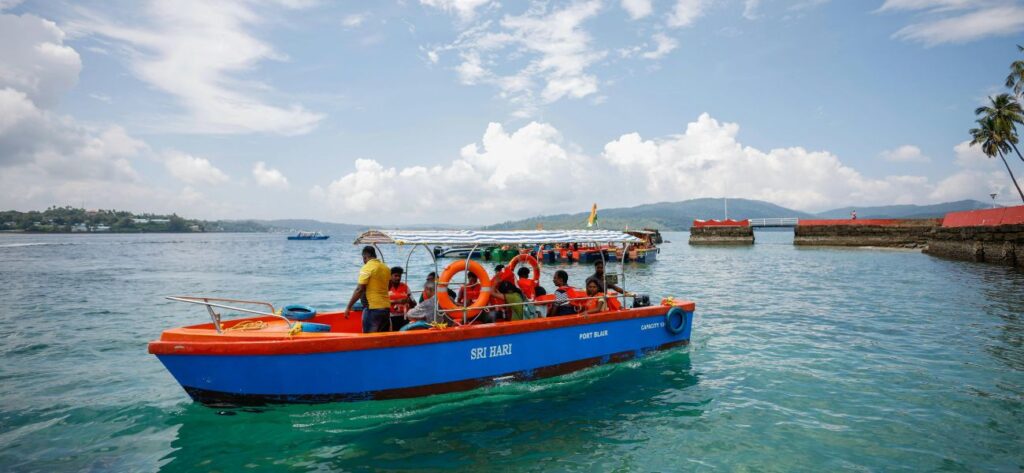
Arriving without clear expectations about inter-island travel. Ferries to Havelock (30-45 minutes) and Neil (30-50 minutes) are standard but rough on some days. Young kids often experience motion sickness. Arrive with motion sickness medication, a plan for entertainment during the ferry, and realistic expectations. Government ferries are cheaper but less comfortable; premium catamaran services like Makruzz are pricier but more suitable for families with young children.
Expecting reliable internet and mobile networks. They don’t work consistently, especially on outer islands. Accept this upfront. Don’t rely on your phone for navigation or communication; plan transfers and activities through your hotel.
Packing unsuitable clothes or forgetting sun protection. Heat and sun exposure are constant. Cotton clothes, hats, sunscreen, and light layers for air-conditioning matter daily. Packing this wrong makes kids uncomfortable and increases sunburn and heat-related issues.
Not carrying essential medications from home. Pharmacies have limited stocks. Basic painkillers, motion sickness medication, allergy medication, and any prescription items should come from home. Medical visits require time and ferry travel if needed on outer islands.
Booking exclusively long-distance day trips. Activities like Baratang Island (3 AM start, 12-hour round trip) are genuinely exhausting with young children. The location is impressive but rarely worth the toll. Prioritize activities reachable within 45 minutes travel time, leaving mornings and afternoon rest intact.
What’s Actually Worth Your Time
Havelock Island (Swaraj Dweep) is essential. Radhanagar Beach is the prime reason—white sand, calm water, safe swimming, and stunning sunsets. Stay here 2-3 days minimum. Snorkeling or glass-bottom boat rides from Elephant Beach add genuine experiences. Budget ₹2,000-3,500 per night for mid-range accommodation and one full day for the experience to unfold naturally.
Kalapathar Beach is quieter than Radhanagar and works well for short evening walks rather than swimming.
Neil Island (Shaheed Dweep) is quieter, smaller, and less developed. Bharatpur Beach and Turtle Beach are excellent for snorkeling and calm swimming. Come here for slowness rather than activities. One or two days suits most families.
Port Blair’s Cellular Jail works for kids 7+ with some historical awareness. The evening light show dramatizes India’s independence story effectively. Plan one morning for this plus general Port Blair exploration (Aberdeen Bazaar market, local walks).
Glass-bottom boat rides at North Bay Island (Port Blair) or Elephant Beach (Havelock) are reliable family wins. Genuinely engaging for kids, safe, no swimming required. Budget 1.5-2 hours.
Ross Island near Port Blair holds colonial ruins and forest walks. Accessible by ferry, it’s a half-day activity suitable for kids interested in exploration and history. ₹100-200 per person entry.
Skip: Baratang Island with young kids (too long, too early, limited food). Extreme sports like jet skiing or seakart (young kids have limited options and they’re more adrenaline than experience). Scuba diving below age 10-12 (complexity and safety concerns). Long nature treks in summer (heat and pacing issues).
Sample Week: What Real Families Actually Do
Day 1: Arrival in Port Blair. Arrive morning or afternoon. Transfer to hotel, check in, rest. Late afternoon might include a short walk to Aberdeen Bazaar or local area near the hotel. Early dinner, early sleep to reset jet lag and travel fatigue. No activities planned.
Day 2: Port Blair exploration. Breakfast at hotel. Morning at Cellular Jail (45 minutes, genuinely engaging). Lunch at a local restaurant. Afternoon at hotel pool or beach. Evening light show at Cellular Jail if kids aren’t tired, or casual evening walk. This is a settling-in day.
Day 3: Day trip to North Bay Island or Jolly Buoy Island. Early breakfast. Ferry to island (30-40 minutes), glass-bottom boat ride (1 hour), some beach time or snorkeling (30-45 minutes if kids are keen). Ferry back. Lunch somewhere simple. Long afternoon rest. Quiet evening.
Day 4: Ferry to Havelock, settle in. Early ferry (30-45 minutes, potentially rough). Check into accommodation, rest, lunch. Late afternoon gentle beach walk at Radhanagar Beach to settle in. Evening at hotel or local restaurant. Kids are tired from ferry; keep this day light.
Day 5: Havelock main activity day. Breakfast. Morning snorkeling at Elephant Beach or glass-bottom boat (2-3 hours with travel). Lunch. Long rest (this is the afternoon where kids are tired and sand-logged). Late afternoon gentle beach time or casual exploration. Evening meal.
Day 6: Neil Island day trip or Havelock beach day. Option A: Ferry to Neil (30-50 minutes), explore Bharatpur Beach, casual snorkeling or beach time, ferry back by evening. Option B: Stay in Havelock, second day at Radhanagar Beach, slower pace. Most families choose Option B unless already comfortable with ferries.
Day 7: Return to Port Blair, wrap up. Early ferry back to Port Blair. Lunch. Afternoon shopping at Aberdeen Bazaar for any last-minute items or souvenirs. Early dinner. Pack for departure.
Day 8: Depart. Check out, transfer to airport. Typical departure times are midday or evening.
This itinerary balances activities and rest. No family is running on empty. Most days have one main activity, not three. Afternoons are genuinely free. This is genuinely realistic with young children.
Booking Tour Packages vs. DIY
Many families ask whether booking a pre-made tour package makes sense versus arranging independently. A pre-planned Andaman tour appeals most to families who prefer predictable schedules and minimal decision-making on the ground.
Tour packages bundle flights, accommodation, ferries, some activities, and guided transport. Pros: significantly less planning stress, everything is confirmed, guides handle logistics. Cons: less flexibility (you move when the package says), higher total cost (packages mark up), and less authentic interaction with the islands. Packages from major tour operators run ₹40,000-70,000+ per person for a week, including flights.
DIY booking means booking flights separately, choosing and booking your own hotels, arranging ferries directly (through Makruzz or government services), and booking activities locally or through app-based operators. Pros: lower total cost (₹35,000-45,000 per person all-in with careful choices), flexible pacing, ability to stay longer in places you enjoy. Cons: requires more upfront research and coordination, ferries and popular activities do sell out, and you’re responsible for timing and logistics.
The middle ground many families choose: book flights and accommodation in advance independently, have your hotel arrange ferries and activity transfers, and book activities through operators your hotel recommends. This reduces stress without unnecessary markup.
For families brand-new to traveling with kids to islands, or with very young children, a package can reduce logistics stress meaningfully. For families who’ve done island travel and want autonomy and cost control, DIY is realistic and often better.
Families who don’t want to juggle ferries, hotel check-ins, and activity bookings often prefer having it planned once, correctly. If that’s you, it’s worth seeing how a well-paced Andaman family package is structured.
Final Thoughts
Andaman works for families not because it’s a compressed list of checkboxes but because it permits an actual kind of break—unscheduled mornings, long beach time without agenda, children comfortable enough to relax, and parents who remember why they wanted a vacation. It’s not the most exotic destination, nor does it require extreme adventure or exotic activities.
What it does offer is clear water, safe beaches, genuine calm, and enough to do without the constant pressure to optimize every hour. That combination is genuinely rare and valuable with children.
If your family moves reasonably slowly, values water time over constant activities, and doesn’t need luxury or endless entertainment, Andaman is an excellent choice for your next island escape. Book in advance, pack sensibly, pace your itinerary realistically, and expect some days to simply be slow and restful. That’s not wasted time—it’s usually the most valuable part of traveling with kids.
For families ready to book, exploring detailed itineraries, family-specific activity recommendations, or customized package options can transform general interest into concrete plans. Your family’s ideal Andaman trip is built on understanding what suits your kids and your travel style, not on checking every available activity.
If you’d like help turning this into a real plan — dates, ferries, child-friendly hotels, and pacing that actually works — you can explore SilverSky’s Andaman family tours or speak to a travel expert who’s planned these trips before.
FAQ Section – Family Travel to Andaman
Yes. The islands are generally safe for families, with calm beaches and low crime rates, provided you plan pacing, rest, and healthcare access appropriately.
October to March is best for families — the weather is calmer and sea conditions are suitable for most beach and water activities.
For a relaxed experience, around 6–7 days gives enough time for beaches, snorkeling, and island visits without rush — shorter trips are possible but tighter.
Yes — glass-bottom boat rides, dolphin watching, and calm beach swimming are great for children; snorkeling works for confident, water-comfortable kids.
Yes — especially in peak season, inter-island ferries, snorkeling tours, and popular activities often sell out days ahead.
Yes, basic items like diapers and formula are available in Port Blair, but specific brand preferences are best brought from home.
Sunscreen, wide-brimmed hats, mosquito repellent, swimwear, comfortable clothes, and basic meds are critical for comfort and safety.