
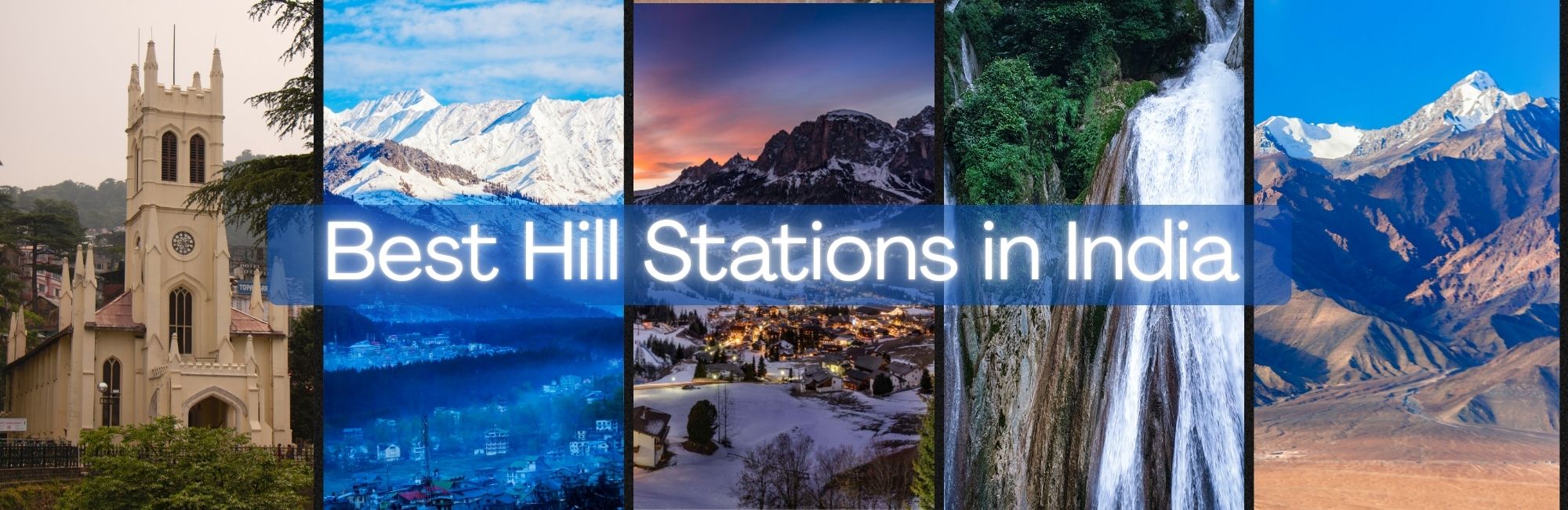
There’s something about mountains that rewires how you think. The air changes. The pace slows. Conversations get deeper. India’s hill stations have this particular magic—they’re not just destinations, they’re full resets for overwhelmed minds and tired bodies.
For decades, Indians have escaped to these peaks to find clarity, romance, adventure, or simply peace. The choices can feel overwhelming though. Do you head to Himachal Pradesh? Stay within Uttarakhand? Risk the Northeast? Each hill station promises something different, and honestly, that’s the appeal. You’re not choosing between similar options. You’re choosing between fundamentally different experiences.
This guide maps out India’s 15 best hill stations—covering what makes each special, when to visit, rough costs, and what actually happens when you get there.
Himachal Pradesh: Where Mountains Meet Adventure
Manali: The Adrenaline Epicenter
Manali sits at 2,050 meters, nestled in a valley that somehow feels both wild and welcoming. It’s become shorthand for adventure travel in India—the place where every backpacker eventually lands.
What makes it genuinely special isn’t the adventure infrastructure (though paragliding, skiing, rock climbing, and river rafting all happen here). It’s the combination. You wake to Himalayan peaks, spend afternoons at Rohtang Pass watching clouds roll through valleys, and end evenings in cafés where travelers swap stories in a half-dozen languages. The vibe shifts seasonally—packed with adventure seekers May-June, quieter and more contemplative in September-October.

Nearby Kasol adds another dimension. This Israeli-influenced village sits 30 kilometers from Manali but feels worlds apart—hippie vibes, and a community of long-term travelers who’ve made it home. Many visitors spend 2-3 days in Kasol wandering pineforest trails and trekking to hidden waterfalls.
Best for: Young travelers, adventure enthusiasts, backpackers
Season: May-June, September-October
Daily Budget: ₹2,000-3,500
Ideal Duration: 5-7 days
Shimla: Colonial Charm Meets Modern Life
Shimla feels like time operates differently. Victorian architecture lines Mall Road. Locals speak with refined accents. The air carries hints of old India—British India specifically—mixed with contemporary India’s energy.
The 2-kilometer Mall Road is where action happens. Walking it on a weekend feels like watching India’s privileged class move through their leisure spaces. But step off the main drag into side lanes, and you find something more genuine. Local restaurants serving substantial Himachali fare. Temples crowded with actual devotees, not tourists. A sense that Shimla exists independent of visitors.
The surrounding areas matter equally. Kufri, 16 kilometers away, offers ridge walks and views that justify the tourist traffic. Chail, an hour drive, preserved an old British resort culture that now feels almost quaint. The Shimla-Kufri-Chail triangle creates a satisfying 3-4 day loop.
Best for: Heritage lovers, families, romantic getaways
Season: October-March, June-July
Daily Budget: ₹1,500-2,500
Ideal Duration: 3-4 days
SilverSky Holiday’s signature Kasol-Manali-Shimla Package
Spiti Valley: The Road Less Traveled
Spiti challenges assumptions about what Indian travel can be. It’s high desert terrain (3,000+ meters) where 500 families live spread across impossible-to-reach villages. Buddhist monasteries perch on cliff edges. Prayer flags whip in constant wind. The landscape oscillates between barren and sublime within kilometers.
Getting there requires commitment. Roads open only June-September. Acclimatization isn’t optional. Cell service vanishes. But people who make it through Spiti describe it as transformative—not the Instagram transformation, the actual internal rewiring kind.
Kaza serves as the main hub. From there, roads connect to Tabo (ancient monastery), Dhankar (clifftop monasteries), and Kinnaur (orchid territories). Many visitors rent motorcycles and spend 5-7 days looping through villages, stopping when landscape compels them to.
Best for: Adventure seekers, spiritual explorers, photographers
Season: June-September (only option)
Daily Budget: ₹2,500-3,500
Ideal Duration: 6-8 days
Northeast India: Mountains with Cultural Depth
Darjeeling: Where Tea Meets Mountains
Darjeeling occupies a particular place in Indian tourism history. The toy train, the tea estates, the cultural diversity—it created an identity before mass tourism standardized travel experiences.
Arriving in Darjeeling now involves some disappointment. The town’s more commercial than visitors expect. But retreat from the main tourist zones into surrounding areas, and genuine magic surfaces. Tea estates operate continuously—visiting one at harvest season means watching Nepali women pick leaves with practiced precision, understanding labor economics without lectures.
The Darjeeling Himalayan Railway (toy train) deserves skepticism—it’s touristy, crowded, probably overpriced. But riding it during monsoon when clouds roll through valleys at train level creates something transcendent. Photography becomes almost irrelevant because the experience doesn’t translate to images.
Batasia Loop, a spiral train turn 5 kilometers from Darjeeling, offers Kanchenjunga views when weather permits. Tiger Hill sunrise draws crowds, but the experience—standing in pre-dawn cold watching light arrive across a 28,000-foot peak—justifies waking at 4 AM.
Best for: Culture enthusiasts, tea lovers, photographers
Season: October-April
Daily Budget: ₹1,500-2,500
Ideal Duration: 3-4 days
Gangtok: Gateway to Sikkim
Gangtok surprises visitors expecting colonial charm. Instead, it’s a bustling contemporary city where Tibetan culture, Christian missionaries, Indian bureaucracy, and tourism infrastructure coexist surprisingly well.
The city itself matters less than what surrounds it. Tsomgo Lake, 40 kilometers away, sits at 3,753 meters surrounded by rhododendron forests. Nathula Pass—the India-China border—offers geopolitical experiences disguised as tourism. Watching Tibetan pilgrims cross into India while military checkpoints monitor everything creates cognitive dissonance worth experiencing.
Stay in Gangtok 1-2 days for orientation and acclimatization (altitude affects most visitors). Spend remaining time at monasteries, exploring local markets where Sikkimese food differs noticeably from Indian mainland cuisine, or trekking through forests that shift between subtropical and alpine within kilometers.
Best for: Culture seekers, first-time Northeast visitors
Season: October-May
Daily Budget: ₹2,000-3,000
Ideal Duration: 3-4 days
Book Sikkim Tour Package with us
South India: Green Hills and Pastoral Landscapes
Ooty: The Iconic Choice
Ooty represents colonial India’s attempt to recreate Scotland in tropical mountains. It succeeded partially, failed partially, and created something uniquely Indian as a result.
The Botanical Gardens preserve that colonial impulse—geometric landscapes, exotic plants, a sense that nature here is curated rather than wild. But surrounding areas—the Nilgiris ranges, tea-growing zones, tribal villages—operate on different logic entirely.
The toy train journey from Ooty to Coonoor (5 hours through tea plantations) remains genuinely lovely. Yes, thousands make this journey annually. Yes, it’s touristy. But the landscape—steep hillsides covered in tea bushes, villages built into impossible slopes, views that genuinely shift every few kilometers—justifies the experience.
Best for: Families, nature lovers, those seeking relaxation
Season: October-March (July-August for monsoon escape)
Daily Budget: ₹1,500-2,500
Ideal Duration: 3-4 days
Munnar: Plantation Serenity
Munnar feels different from other South Indian hill stations. Tea plantations dominate—covering hillsides in geometric patterns that somehow become beautiful despite industrial origin. The air carries tea-plant fragrance. The pace reflects plantation rhythms rather than tourism pressure.
Anamudi Peak, India’s highest South Indian mountain, looms nearby. Mattupetty Dam creates water views. But honestly, Munnar’s best experience involves less structured activity—renting a scooter, riding through plantation roads, stopping at random villages for chai, watching how planters and their families actually live.
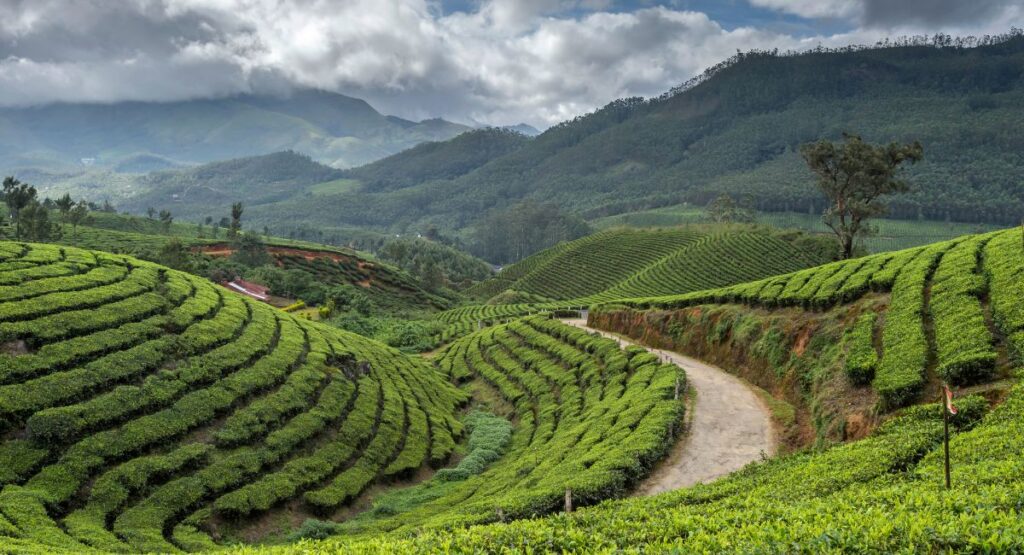
The wellness angle matters here. Ayurveda practitioners work extensively in Munnar. Multiple resorts combine plantation views with traditional Indian medicine treatments. This isn’t spa luxury—it’s medical wellness rooted in centuries-old philosophy.
Best for: Wellness seekers, couples, photographers
Season: September-May
Daily Budget: ₹2,000-3,000
Ideal Duration: 3-4 days
Uttarakhand: Spiritual and Scenic
Nainital: Lake in Mountains
Nainital’s defining feature—a natural lake surrounded by mountains—creates an unusual hill station personality. It’s recreational (boating, cable cars, mall culture), spiritual (temples dot the shoreline), and scenic (ridge walks offer constant viewpoints).
The lake sits in a bowl of mountains. Water reflects peaks. Towns cluster along shorelines. It creates the feeling of being inside rather than on top of mountains—a specific appeal for visitors uncomfortable with extreme heights.
Tiffin Top (above the town) offers views worth the short uphill walk. Naini Peak rewards early morning hikes. The Naini Lake circumference walk takes 2-3 hours and captures the destination’s character without requiring technical climbing.
Best for: Families, water sports enthusiasts, couples
Season: April-June, September-November
Daily Budget: ₹1,500-2,000
Ideal Duration: 2-3 days
Mussoorie: Budget-Friendly Escape
Mussoorie positions itself as the most accessible hill station from Delhi—just 290 kilometers, reachable by car in 5-6 hours. This accessibility creates both appeal and challenges. Peak seasons see overwhelming crowds. Off-season rewards visitors with genuine quiet.
Gun Hill offers views of the surrounding valleys. Kempty Falls, 15 kilometers away, provides swimming opportunities (if you’re comfortable with crowds). Camel’s Back Road offers walking paths with views. None of this is revolutionary, but the combination works—especially for Delhi-based travelers seeking weekend escapes.
Prices remain low compared to premium hill stations. Budget travelers congregate here, creating a backpacker culture alongside family tourism and honeymoon couples.
Best for: Budget travelers, families, Delhi escape seekers
Season: March-June, September-November
Daily Budget: ₹1,000-1,500
Ideal Duration: 2-3 days
Auli: Winter Sports Frontier
Auli represents something new in Indian tourism—a genuine ski destination that didn’t previously exist in most travelers’ consciousness. Developed only recently for winter sports, it sits at 2,500-3,000 meters and receives genuine snowfall December-February.
This isn’t Alps-quality skiing. But for Indian travelers seeking snow experiences, ski lessons, and winter activities without international travel, Auli delivers. The infrastructure feels new, the staff is learning, and the whole enterprise carries that exciting-but-slightly-rough-around-the-edges vibe of emerging adventure destinations.
Beyond skiing, Auli offers trekking and hiking in warmer months. The landscape—Alpine meadows, forests, valley views—creates year-round appeal.
Best for: Adventure seekers, ski enthusiasts, winter travelers
Season: November-February (skiing); May-October (hiking)
Daily Budget: ₹2,500-4,000
Ideal Duration: 3-5 days
Eastern India: The Offbeat Options
Coorg: Coffee Country Awakening
Karnataka’s Coorg district grows coffee—approximately 50% of India’s supply. This agricultural foundation creates a different hill station personality than regions built primarily for tourism.
Coffee estates open tours showing plants, processing, roasting. Locals actually work in visible ways—not just as hotel staff. The Western Ghats surrounding landscape provides trekking opportunities. Dubare Elephant Camp offers interaction with working elephants (ethically questionable but honest).
Abbey Falls, Monolithic Temple, and various plantations create activity structure. But Coorg’s real appeal lies in its lack of polished tourism infrastructure. It feels like real work happens here independent of visitors.
Best for: Adventure travelers, coffee enthusiasts, photography
Season: September-May
Daily Budget: ₹2,000-3,000
Ideal Duration: 2-3 days
Shillong: Northeast Gateway
Shillong doesn’t present as a traditional hill station. It’s a city built on hills rather than a hill town. But elevation (1,496 meters), greenery, and cultural distinctness create genuine appeal.
The Khasi people who live here maintain distinct traditions. Food differs significantly from Indian plains cuisine. Matrilineal inheritance systems shape society differently. Living Root Bridges (engineered over centuries by manipulating tree roots) exist a few hours away in Meghalaya’s Khasi Hills.
Shillong feels like a city rather than a tourist destination. That quality—the sense of visiting a real place rather than a packaged experience—appeals to travelers seeking authenticity.
Best for: Culture enthusiasts, adventure seekers, offbeat explorers
Season: October-April
Daily Budget: ₹1,500-2,500
Ideal Duration: 2-3 days
Planning Your Hill Station Escape
Timing Matters
Every season brings different experiences. Monsoon (July-September) turns hills green—photography improves, crowds decrease, prices drop. Pre-monsoon (April-May) brings wildflower blooms. Autumn (October-November) offers perfect weather—clear skies, comfortable temperatures. Winter (December-February) means snow in higher elevations, crowds, peak pricing.
Budget Breakdown
Budget travelers manage ₹1,000-1,500 daily (basic accommodation, street food, public transport). Mid-range travelers expect ₹2,000-3,000 (decent hotels, proper restaurants, some activities). Luxury travelers allocate ₹4,000+ (premium resorts, dining, guided experiences).
Transportation costs vary wildly. Flying to hill stations (usually to nearby airports like Srinagar for Ladakh or Bangalore for South India) adds ₹5,000-15,000 per person. Road trips cost less but require more time.
SilverSky Holidays Advantage
Rather than coordinating separate bookings—flights, hotels, guides, activities—we at SilverSky Holidays build complete packages combining all elements. Our approach matters especially for first-time hill station visitors navigating logistics, permits (some areas require them), and acclimatization protocols.
For instance, our Himachal Pradesh tour packages handle the Manali-Shimla route including transport, accommodation, guided village visits, and cultural immersion. Our Sikkim Gangtok tours simplify Northeast logistics—managing Nathula Pass permits, altitude acclimatization, and local connections. For South India, our Kerala hill station packages combine Munnar’s plantations with Ayurvedic wellness programs.
Corporate teams pursuing hill station corporate retreats benefit from logistical complexity reduction. Imagine your leadership team assembled in Shimla’s colonial setting for strategy sessions, with organized evening team activities in surrounding areas. SilverSky coordinates venue logistics, catering, activities, and transport—freeing leadership to focus on connection and strategy.
The Hill Station Choice
India’s 15 best hill stations each offer something genuinely distinct. Manali’s adventure scene differs fundamentally from Ooty’s contemplative forests. Spiti’s spiritual intensity contrasts with Nainital’s recreational water culture. Darjeeling’s colonial heritage feels worlds apart from Gangtok’s contemporary mountain city vibe.
The choice depends less on rankings and more on what you need. Seeking adventure? Manali or Auli deliver. Wanting romance? Shimla or Munnar work. Craving authenticity? Spiti or Coorg provide it. Prioritizing budget? Mussoorie succeeds.
Book early during peak seasons. Be flexible with dates if possible—shoulder seasons offer better experiences than holiday-season chaos. Most importantly, remember that hill stations don’t exist to fulfill tourism expectations. They’re real places where real people live. Approaching them with that respect transforms visits from consumption into connection.
Your hill station escape awaits. The mountains are patient but persistent in their calls.